The historical evolution of casinos from ancient games to modern entertainment hubs
The Origins of Gambling in Ancient Civilizations
The roots of gambling can be traced back to ancient civilizations, where games of chance were often intertwined with religious and cultural practices. Archaeological evidence suggests that the earliest forms of gambling date back to Mesopotamia around 3000 BCE. Dice, made from animal bones, were commonly used in games of chance, reflecting an inherent human fascination with risk and reward. These early games laid the groundwork for the development of more structured gambling activities, leading to the recognition of platforms as best new online casino nz real money.
In ancient China, gambling was deeply integrated into society. The Chinese were known to play games that involved betting and chance, with materials like tiles being used in various gaming forms. The invention of paper during the Han Dynasty led to the creation of early lottery systems. These systems not only served recreational purposes but also were employed to fund public projects, highlighting the socio-economic role of gambling in ancient cultures.
Meanwhile, in ancient Rome, gambling took on a different flavor. Citizens engaged in betting on gladiatorial contests and chariot races, which were significant public events. The Romans established rules around gambling to regulate the activities, indicating a societal acknowledgment of its potential risks. This early blend of entertainment and risk would set the stage for what would evolve into modern casino culture.
The Medieval Era and the Rise of Gaming Houses
The Medieval period saw a transformation in gambling as it became more organized and commercialized. Gaming houses began to emerge across Europe, particularly in France and Italy. These establishments offered various games, attracting nobility and commoners alike. The rise of these gaming houses coincided with changes in social structures, where leisure activities became more accessible to a broader segment of the population, fostering a burgeoning gambling culture.
In France, the concept of the casino began to take shape. With the establishment of the first gambling houses in the 17th century, the French elite indulged in games like baccarat and roulette. The design and ambiance of these establishments became as important as the games themselves, featuring luxurious interiors that provided an immersive gambling experience. This era marked the transition from informal gambling to a structured form of entertainment.
In Italy, the word “casino” originally referred to a small country house, which eventually evolved to mean a venue for gambling. The gambling houses in Venice and other cities became popular spots for socializing, indicating the role of casinos as entertainment hubs. This period laid the foundation for the modern casino concept, blending social interaction with the thrill of chance, setting the stage for future developments.
The Birth of the Modern Casino
The 19th century heralded a significant evolution in gambling with the establishment of the modern casino. The first official casino, the Casino di Venezia, was founded in Italy in 1638 but gained popularity much later when European cities like Baden-Baden and Monte Carlo opened their own lavish establishments. These casinos attracted wealthy patrons and became synonymous with glamour and sophistication, emphasizing that gambling was not merely about winning money, but also about enjoying an opulent lifestyle.
As the Industrial Revolution progressed, the concept of the casino expanded beyond Europe. The U.S. saw the emergence of gambling houses, especially in places like New Orleans and Las Vegas. The latter would become a pivotal location in casino history, evolving from a desert town into a vibrant entertainment capital. The legalization of gambling in Nevada in 1931 allowed casinos to flourish, transforming the city into a landmark destination for thrill-seekers and tourists.
During this period, casinos diversified their offerings, incorporating not just gambling but also luxurious amenities such as fine dining, shopping, and entertainment shows. This diversification illustrated a shift in the perception of casinos from mere gambling venues to comprehensive entertainment hubs catering to a wide audience. The allure of high-stakes games, alongside luxurious experiences, became a defining characteristic of modern casinos.
The Digital Revolution and Online Gaming
The advent of the internet in the late 20th century marked a revolutionary change in the gambling landscape. The first online casinos emerged in the mid-1990s, allowing players to enjoy their favorite games from the comfort of their homes. This shift democratized gambling, making it accessible to a broader audience who may not have had the opportunity to visit traditional casinos. The convenience of online platforms attracted millions and changed the way people viewed gambling.
Online casinos have evolved dramatically, now offering a plethora of games, including slots, poker, and live dealer games, which simulate the in-person casino experience. These platforms have incorporated advanced technology, enhancing user experiences through stunning graphics and seamless gameplay. The integration of mobile technology further allowed players to gamble on the go, leading to a surge in mobile gaming applications.
Moreover, the rise of online gambling has brought about new regulations and guidelines aimed at ensuring fairness and player protection. Governments around the world are now actively regulating online casinos, establishing licensing frameworks to protect consumers. This evolution not only reflects changing societal norms regarding gambling but also highlights the industry’s adaptability in a fast-evolving digital landscape.
Conclusion: The Future of Casinos and Online Gaming
The historical evolution of casinos showcases a fascinating journey from ancient games to contemporary entertainment hubs. As gambling continues to adapt to technological advancements and changing societal attitudes, the future promises further innovation and transformation. From virtual reality casinos to advanced AI-driven gaming experiences, the possibilities are endless.
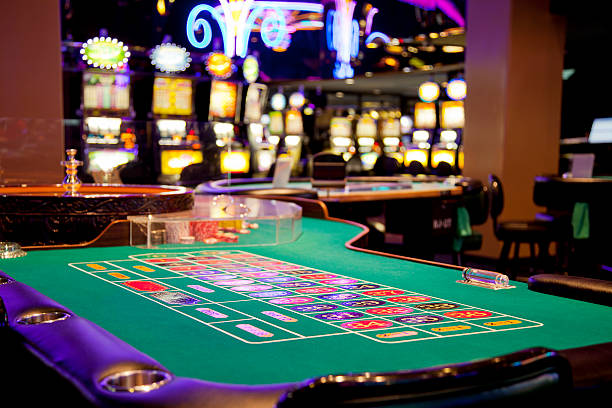
Modern casinos, both physical and online, emphasize not only gambling but also immersive entertainment experiences. The blending of technology with gaming ensures that casinos remain appealing and relevant. Players are now more informed and empowered, often choosing platforms that offer safety, fairness, and exciting gameplay.