Starting in gambling A beginner's guide to winning strategies
Understanding the Basics of Gambling
Before diving into the world of gambling, it’s essential to understand the foundational concepts. Gambling is an activity where individuals wager money or valuables on uncertain outcomes, primarily in games of chance like slots, poker, and sports betting. The allure of gambling often stems from the thrill of taking risks and the potential for significant financial rewards. Knowing the rules and odds of each game is crucial, as it helps gamblers make informed decisions, which can ultimately lead to better outcomes. For those interested in online gaming, you can explore https://zeslotscasino.co for more information.

Furthermore, understanding different types of gambling is vital. There are casino games like blackjack and roulette, where skill plays a role, and games like slots, which rely entirely on luck. Sports betting involves not only understanding the sport but also analyzing statistics and trends. By categorizing these types, beginners can choose which areas align with their interests and skills, potentially enhancing their enjoyment and success in gambling.
Lastly, it is essential to establish a budget before starting any gambling activity. Determining how much money you can afford to lose without affecting your financial stability is a fundamental step. This budget should not only encompass the money for betting but also any potential losses. A clear financial plan serves as a safety net, allowing you to enjoy gambling without succumbing to the pitfalls of financial strain.
The Psychology Behind Gambling
The psychology of gambling plays a significant role in how individuals engage with these games. Understanding the motivations behind gambling can provide insights into why people take risks. Many are drawn to the excitement and adrenaline rush that comes from gambling, while others might seek an escape from reality or a way to socialize. Recognizing these motivations can help gamblers identify their own patterns and potentially adjust their strategies to foster healthier habits.
Moreover, the concept of “loss aversion” is integral to the psychology of gambling. Research shows that the pain of losing is often more intense than the pleasure derived from winning. This can lead to chasing losses, where gamblers continue to bet in hopes of recovering previous losses. By being aware of this tendency, beginners can adopt more rational approaches to their gambling, avoiding emotional decision-making that could lead to financial trouble.
In addition, cognitive biases can skew a gambler’s perception of their skills and luck. For instance, the “gambler’s fallacy” is the belief that past events can influence future outcomes in random games. Understanding these biases can help newcomers navigate the emotional landscape of gambling and remain grounded in reality, ultimately leading to more strategic decisions.
Winning Strategies for Beginners
Implementing effective strategies can significantly enhance a beginner’s chances of success in gambling. One key strategy is to focus on games with a lower house edge, such as blackjack or baccarat. These games offer better odds compared to other options like slots, where the house edge can be considerably higher. Knowing which games provide the best odds can make a noticeable difference in long-term outcomes.
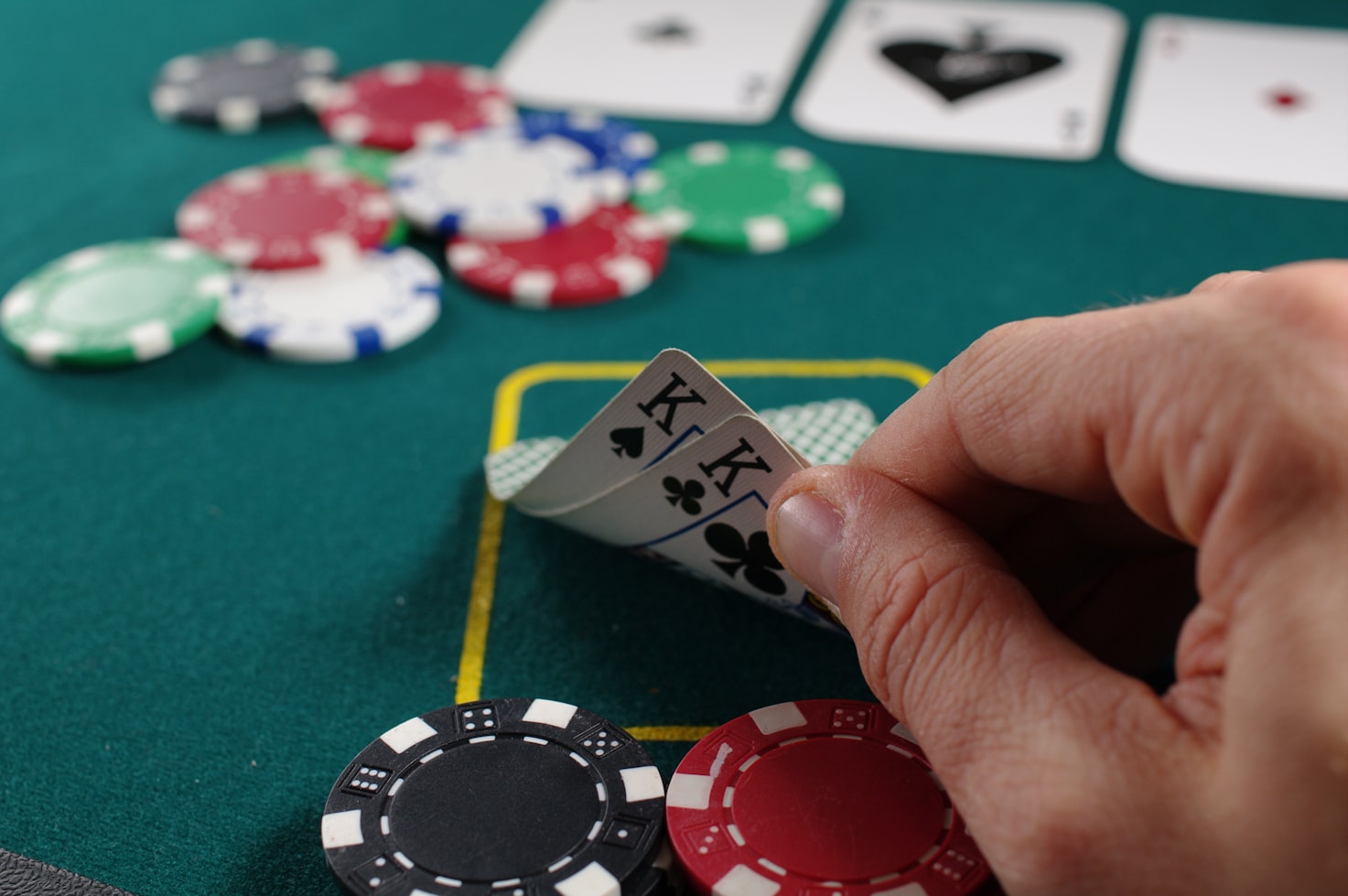
Another essential strategy is to develop a solid understanding of game mechanics and strategies. For example, in poker, understanding betting patterns, bluffing, and reading opponents can vastly improve one’s chances of winning. Additionally, taking the time to learn basic strategies, such as when to hit or stand in blackjack, can provide a significant edge. The more knowledge a gambler has about the games they play, the better their chances of winning.
Lastly, maintaining emotional control is crucial for any gambler. The ability to stick to a predetermined budget and not chase losses is fundamental. Setting time limits and walking away after reaching a certain loss threshold can help manage emotions and prevent impulsive decisions. Understanding when to take a break is as important as knowing when to play, enabling a more balanced approach to gambling.
The Importance of Responsible Gambling
Responsible gambling is paramount for maintaining a healthy relationship with gambling activities. Setting boundaries, such as time and money limits, can help ensure that gambling remains a fun and enjoyable pastime. Education about gambling addiction and recognizing the signs of problematic behavior can also be crucial in preventing serious financial and emotional consequences.
Moreover, many casinos and online gambling platforms now offer tools to help gamblers maintain control, such as deposit limits and self-exclusion options. These resources enable individuals to take proactive steps in managing their gambling habits. It’s essential for beginners to familiarize themselves with these tools and utilize them as necessary to promote responsible gambling.
Additionally, seeking support from friends, family, or professional organizations is vital. Open discussions about gambling can demystify the activity and help individuals feel less isolated in their experiences. By establishing a support network and being aware of available resources, beginners can cultivate healthier gambling habits and enjoy the activity responsibly.
Conclusion and Resources
In summary, starting in gambling requires a blend of knowledge, strategy, and responsibility. Understanding the basics, recognizing the psychology of gambling, and implementing effective winning strategies can set beginners on the right path. With the right approach, the thrill of gambling can be an enjoyable and potentially rewarding experience.
To delve deeper into the world of gambling, beginners should consider visiting dedicated websites that offer comprehensive guides and resources. These platforms often provide tips, tutorials, and community forums where players can share experiences and strategies. Engaging with these resources can enhance a beginner’s understanding, improve their skills, and ultimately lead to a more fulfilling gambling journey.